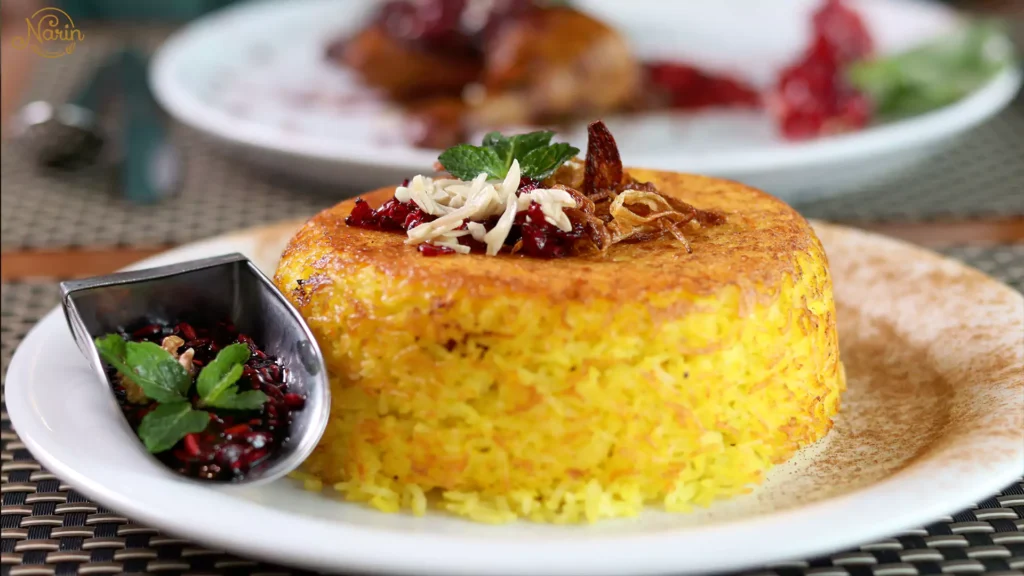
Trying Persian food for the first time? Don’t stress! Just get ready to taste something new and delicious!
Persian food, also called Iranian food, mainly features rice, grilled meats, fresh herbs, slow-cooked stews, tangy yoghurt, nuts, legumes, fruit, and various sour, aromatic ingredients like dried lime, barberries, and pomegranate. The flavors are usually aromatic rather than spicy. In a typical Persian meal, you’ll experience sour, savory, and a hint of sweetness, sometimes all in one bite.
Kebab with saffron rice is well-known to many Australians, but it’s just a small part of Persian cuisine. Iranian tables also offer herb-rich stews, eggplant dishes, soups, mixed rice, yoghurt, pickles, fresh herbs, and the crispy rice crust called Tahdig. If you’re trying Persian food for the first time, it’s a fun surprise to see familiar ingredients used in ways you’ve never experienced before.
Persian Food at a Glance
| Question | Quick answer |
| What is Persian food? | The food traditions of Iran, also commonly described as Iranian cuisine |
| What does it taste like? | Aromatic, savoury, tart and sometimes mildly sweet |
| Is Persian food spicy? | Usually fragrant rather than chilli-hot |
| What are common ingredients? | Rice, saffron, herbs, lamb, chicken, yoghurt, dried lime, pomegranate, nuts and legumes |
| What should beginners try? | Koobideh, chicken kebab, Ghormeh Sabzi, Zereshk Polo and Kashk Bademjan |
| What is a classic Persian drink? | Doogh, a chilled savoury yoghurt drink |
Seasonings such as saffron, turmeric, cinnamon and black pepper appear alongside dill, mint, coriander, parsley and fenugreek. Chilli heat? You’ll find more in neighboring cuisines. Persian food brings the flavor with aromas and sour notes instead.
Are Persian Food and Iranian Food the Same?
On Australian menus, Persian food and Iranian food generally point you toward the same delicious spread. There is a small difference in how the terms get used, though.
Iranian cuisine is a broad geographic term. Iran is a large country, and the local ingredients change drastically depending on the climate.
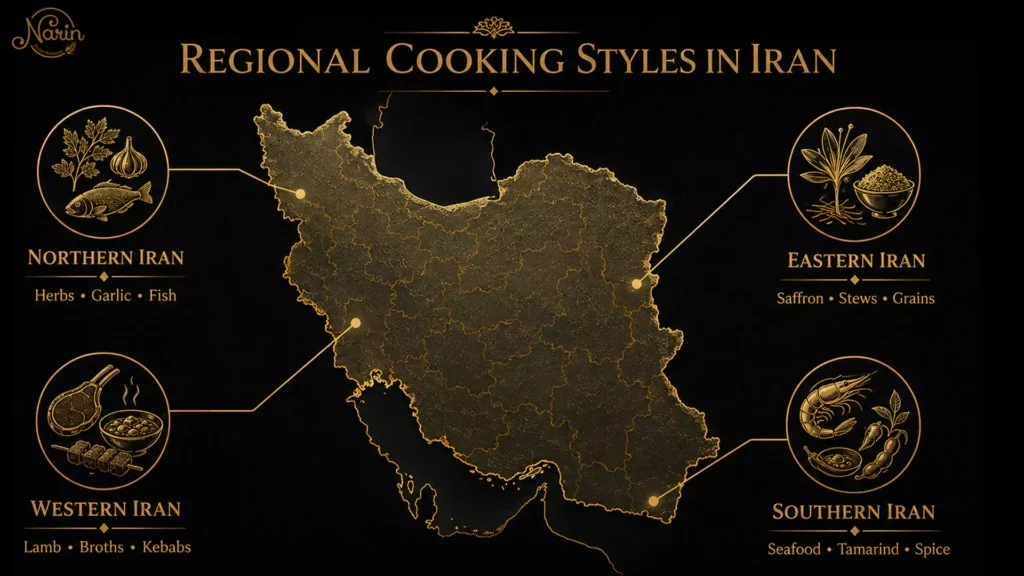
Regional Cooking Styles in Iran
- Northern Iran: The lush Caspian coast relies heavily on fresh garlic, local herbs, and white fish.
- Southern Iran: The hot Persian Gulf region is famous for seafood. Cooks here use tamarind and slightly warmer and hotter spices to flavour rich fish and prawn stews.
- Western Iran: The mountainous western provinces focus heavily on meat. You will find thick, slow-cooked lamb broths and unique local kebabs designed for cold winters.
- Eastern Iran: The eastern side of the country is the traditional home of saffron. Local cooking features fragrant, saffron-infused stews and hearty grain dishes.
“Persian cuisine” is simply the cultural name that caught on globally through cookbooks and dining culture. When you step into a Persian restaurant in Sydney, you are rarely eating food from just one specific province. Instead, the menu brings together the absolute best dishes from all across the country.
So, if you are looking to book a table for dinner this weekend, either description will lead you to the same wonderful table of food.
What Does Persian Food Taste Like?
Fragrance is often the first thing you notice in Persian food. You usually smell the food well before you taste it. Rather than relying on heavy chilli heat, the cuisine builds complex flavours through clever contrasts.
Here is what you can expect on the plate:
- Aromatic Warmth: Saffron is the star here, giving rice and marinades a distinct floral scent and a rich gold colour.
- Earthy Sourness: Tart flavours are a huge part of the cuisine. Dried limes add a deep, citrusy kick to slow-cooked stews, while tiny ruby-red barberries provide sharp bursts of acidity. Pomegranate molasses is also used constantly, shifting from sharply sour to pleasantly sweet depending on how the chef handles it.
- Serious Herb Power: Herbs are not just a pretty garnish sprinkled on top. Mint, coriander, dill, parsley, and fenugreek are often cooked down by the handful to form the actual base of a dish.
- Playful Textures: A good Persian spread is all about texture. You will find crunchy fresh pickles sitting next to creamy eggplant, and cool yoghurt alongside piping hot grilled meat.
Then there is Tahdig. This is the golden, buttery crust of rice that crisps up at the very bottom of the cooking pot. Getting it right takes serious skill: soaking, parboiling, and steaming the grains so they stay completely light and separate, while the base turns into a crunchy treat.
Why Rice Matters So Much in Persian Cuisine
In many Western cuisines, rice is just a simple side dish meant to fill the plate or soak up a sauce. On a Persian table, it is treated with absolute reverence. The way the grains are prepared is an art form in itself, and it dictates how the entire meal comes together.
Because rice plays such a starring role, you will generally see it divided into two distinct styles on any good Iranian menu:
1. Chelow (Plain Steamed Rice)
Chelow is your flawless, plain steamed rice. It is exceptionally light, fluffy, and usually crowned with a pour of golden saffron. This is the classic pairing designed to balance out the heavy, rich flavours of a slow-cooked stew (khoresht) or a freshly grilled kebab.
2. Polo (Mixed Rice)
Polo is a complex mixed rice. Instead of serving the ingredients on the side, the kitchen carefully layers the grains with vibrant additions like fresh herbs, dried fruits, toasted nuts, or tender meat.
This technique gives us some of the most famous dishes in the culture:
- Baghali Polo: Rice woven with fresh dill and broad beans, offering a completely different, herbal aroma.
- Zereshk Polo: Rice dotted with tiny, tart red barberries that cut perfectly through the richness of poultry or meat.
- Adas Polo: A comforting and earthy mix featuring cooked lentils.
It takes years for a chef to master the exact soaking and steaming process required to keep every single grain long and perfectly separated. When you see a restaurant offering multiple styles of both plain and mixed rice, you know they take their culinary roots seriously.
The Ingredients That Give Persian Food Its Character
What makes Iranian food so distinct isn’t a long list of hot spices, but a handful of signature ingredients that bring deep aroma, tartness, and balance to every dish.
Saffron
Saffron is one of the ingredients most strongly associated with Persian cooking. It appears in rice, chicken dishes, desserts and drinks. Its main contribution is aroma rather than heat, with a floral quality that is particularly noticeable in steamed rice.
Fresh herbs
Parsley, coriander, mint, dill and fenugreek are used throughout Iranian cuisine. In Ghormeh Sabzi (one of the most popular Persian dishes), the herbs are the heart of the stew. They are chopped and cooked down with the other ingredients rather than sprinkled on top at the end.
Dried lime and other sour ingredients
Sour flavours have a strong presence in Persian cooking. Dried lime, called “Limoo Amani” in Persian, is used in dishes including Ghormeh Sabzi and Gheimeh, giving them a concentrated citrus flavour with a slightly bitter edge.
Lemon, verjuice, sour orange, barberries and pomegranate can provide acidity in other dishes. SBS has also identified this tart character as a recognisable feature of Iranian food.
Fruit and nuts
Fruit is not limited to dessert. Walnuts and pomegranate form the foundation of Fesenjoon, while quince, plums, apricots and sour cherries have traditionally appeared in stews and rice dishes.
This combination of fruit with savoury ingredients gives some Persian dishes a flavour profile that first-time diners may not expect.
Yoghurt and kashk
Yoghurt adds a cool, tangy contrast to rice, grills and richer dishes. Kashk has a stronger savoury character. This fermented dairy ingredient is closely associated with dishes such as Kashk Bademjan.
Persian Food Goes Far Beyond Kebab
Kebab has a major place in Iranian restaurant culture, but home cooking is much broader. At home, Iranian families eat huge pots of khoresht (stew), mixed rice, and vegetable dishes. If you only ever order a kebab, you are missing out on half the experience. A great way to order is to mix it up: get a grill plate, but add a slow-cooked stew to share.
To give you a complete tour of the table, here are the essential dishes and categories you will find on a traditional menu:
Persian Kebab: A Good Place to Start
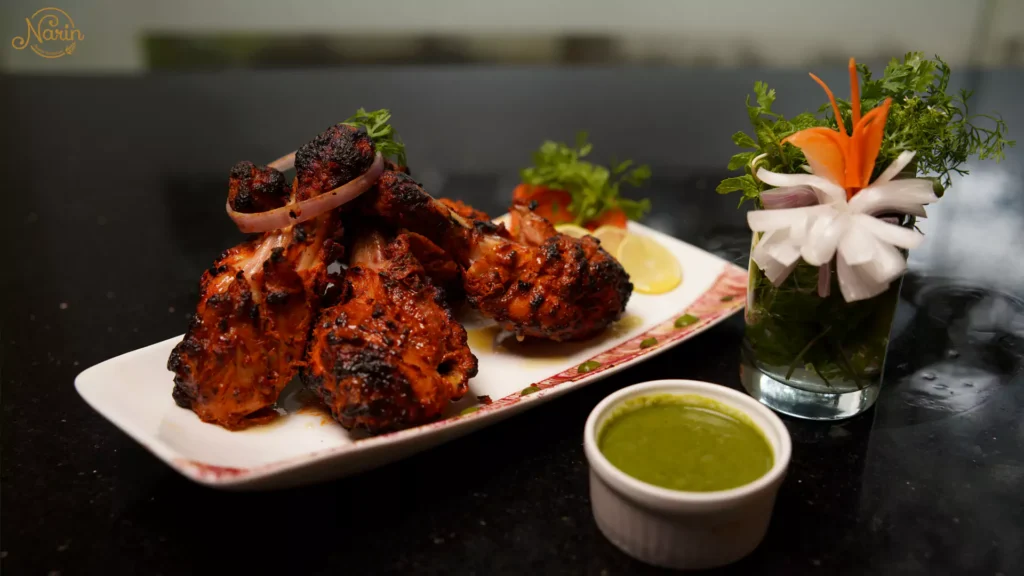
If you love an Aussie barbecue, Persian kebabs offer an easy bridge into the cuisine. The meat is skewered and cooked over hot charcoal, usually served alongside fluffy saffron rice, a grilled tomato, and sumac for sprinkling.
Here are the main styles you will see on the grill menu:
- Koobideh: The ultimate crowd-pleaser and most popular entry point. It is minced lamb or beef mixed with grated onion and seasoning, pressed onto wide metal skewers, and grilled until juicy.
- Barg: Tenderised cuts of lamb or beef fillet, marinated in saffron and onion for a leaner, tender texture.
- Chenjeh: Juicy, marinated chunks of lamb grilled over fire for a steak-like bite.
- Joojeh (Chicken Kebab): Chicken marinated in saffron, lemon juice, and yoghurt, offering a lighter option for poultry lovers.
Ghormeh Sabzi: The Herb Stew Many Iranians Grow Up Eating
Don’t let the dark green colour put you off. This is the ultimate Iranian comfort food.
It is a slow-cooked stew of meat, red kidney beans, dried limes, and mountains of finely chopped herbs. The fenugreek gives it a smell you will recognise instantly next time you walk into a Persian eatery. It is meant to be eaten with plain rice.
Fesenjoon: Pomegranate and Walnut in a Savoury Stew
This is a rich, thick stew made from finely ground walnuts and pomegranate molasses, usually cooked with chicken.
Depending on the chef, it can lean quite sweet or sharply sour. The walnuts provide a heavy, nutty base. It is perfect if you like complex, sweet-and-savoury food.
Zereshk Polo: Saffron Rice with Tart Barberries
Barberries are tiny red berries with a bright, sharp flavour. In Zereshk Polo, they are combined with fragrant rice and often saffron, then commonly served alongside chicken.
The acidity of the berries cuts through the richness of the rice and meat. Slivered nuts may also appear, adding another texture to the dish. Chicken and rice are familiar enough for most diners. The barberries and saffron make the combination distinctly Persian.
Baghali Polo with Lamb: A Classic Rice and Meat Pairing
Baghali Polo combines rice with dill and broad beans. The dill gives the rice a fresh herbal aroma that is quite different from plain saffron rice. Lamb is a common accompaniment, particularly lamb shank.
Slow-cooked lamb and Baghali Polo make a comfortable introduction to mixed Persian rice because the main ingredients are easy to recognise, while the dill and broad beans change the flavour of the rice considerably.
Eggplant Has a Big Place at the Persian Table
Two names are particularly useful for eggplant lovers: Kashk Bademjan and Mirza Ghasemi.
- Kashk Bademjan combines cooked eggplant with kashk and usually includes ingredients such as mint, garlic, onion or walnuts. The finished dish is creamy, savoury and tangy.
- Mirza Ghasemi comes from northern Iran. It combines eggplant with tomato, garlic and egg, producing a softer dish with a noticeably smoky character when the eggplant has been charred.
Both are well suited to sharing and give vegetable dishes a more prominent role in the meal.
What Should You Order the First Time You Try Persian Food?
We would recommend you to keep it simple but varied.
Grab a Kashk Bademjan to start, maybe with a fresh Shirazi Salad (chopped cucumber, tomato, and onion). For the mains, split a Koobideh kebab and a Ghormeh Sabzi stew. This gives you a taste of the grill and the slow-cooked side of the kitchen.
Grab a glass of Doogh (a salty, minty yoghurt drink) to wash it down. Sharing makes sense here. You get a better picture of the cuisine from several flavours on the table than from a single main course.
Is Persian Food Spicy?
Persian food is usually not hot in the chilli sense. Saffron, turmeric, cinnamon, black pepper and fresh or dried herbs create flavour without producing the kind of heat associated with chilli-heavy cuisines.
Encyclopaedia Iranica describes fiery seasonings as relatively uncommon in traditional Persian cooking.
Chilli may still appear in individual dishes or be served grilled beside kebab. That does not make strong chilli heat a defining feature of the cuisine.
People who enjoy aromatic food but prefer mild heat will usually find plenty of suitable Iranian food.
Is Persian Food Middle Eastern?
Technically, yes. It shares ingredients like flatbread, lamb, and yoghurt with its neighbours.
But the heavy focus on rice, sweet-and-sour stews, and unique ingredients like dried lime give it a totally distinct identity. Calling it “Middle Eastern” is correct geographically, but it doesn’t tell you much about what is actually on the plate.
Can Vegetarians Enjoy Persian Food?
Absolutely. The eggplant dips, fresh salads, herb platters, and plain rice dishes are great options.
Just double-check with the staff that a specific stew or mixed rice does not use a meat-based broth or dairy (if you are vegan). Allergies also need a quick check, as walnuts and dairy are common in Persian kitchens.
What Do Persians Drink with Food?
Doogh is the classic savoury choice to have with your main meal, especially alongside kebabs.
Afterwards, it is all about black Persian tea. The tea often keeps flowing long after the plates are cleared. You can also find desserts flavoured with rosewater, cardamom, and saffron, like traditional ice cream or rice pudding.
Trying Persian Food in Sydney
Sydney has a solid Iranian food scene, especially around places like Ryde, Lane Cove, Auburn, and Western Sydney.
The trick is to look past the grill section of the menu. Find a place that does the home-style stews and mixed rice dishes just as well as the kebabs. If you happen to be out West, Narin in Northmead is a great spot to try exactly this kind of varied spread.
Get a group together, order a bit of everything, and share it all. Start with some Koobideh and saffron rice, add a Ghormeh Sabzi, and the meal immediately feels like a genuine Iranian table.
Frequently Asked Questions about Persian Food
What is Persian food known for?
It is known for steamed rice, saffron, fresh herbs, grilled meats, slow-cooked stews, yoghurt, dried lime, pomegranate, and barberries. The flavours are aromatic and balanced.
What Persian food should a beginner try?
Koobideh is an easy first choice. Ghormeh Sabzi introduces the herb-rich style of home cooking, while Zereshk Polo with chicken is great for diners who like tart flavours with savoury food.
What is tahdig?
It is the crisp golden layer that develops at the bottom of the rice pot. The prized contrast is a crunchy bottom beneath soft, steamed rice.
Is Iranian food the same as Persian food?
The terms are often used interchangeably in restaurants and food writing. Iranian cuisine is the broader geographic description because Iran includes many distinct regional food traditions.
Does Persian food contain a lot of chilli?
Usually not. Persian cooking relies more on saffron, turmeric, herbs, dried lime, barberries and other aromatic or sour ingredients than on strong chilli heat.
Is Persian food good for sharing?
Yes. Starters, yoghurt, pickles, salads, rice, kebabs and stews can all be placed on the table together. Sharing gives diners a chance to try a wider range of flavours and textures in one meal.