
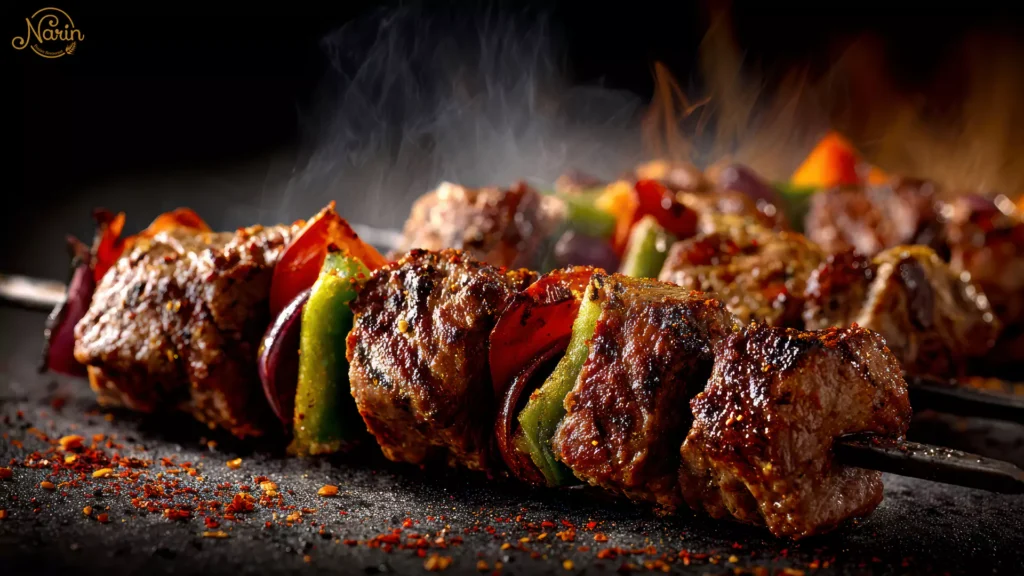
One skewer can be soft, juicy and finely textured; another can give you the firmer bite of a whole cut of lamb. That difference matters if you are searching for the best Persian kebab in Sydney and the menu presents you with Koobideh, Barg, Chenjeh and several mixed grills.
For a first Persian kebab, Koobideh is the easiest starting point if you enjoy juicy minced meat. Choose Barg if tenderness is your priority. Pick Chenjeh if you prefer distinct chunks of lamb and a stronger whole-meat texture. Diners who cannot settle on one style are better served by a combination plate.
At Narin Persian Restaurant in Northmead, the current kebab menu covers all three styles, alongside chicken kebab and combinations including Soltani, Shahi, Vaziri, the Narin Kebab Special and a family platter.
Best Persian Kebab in Sydney: Which Style Suits You?
There is no single kebab style that will suit every diner. The cut of meat changes the texture more than many first-time customers expect.
Koobideh starts with minced meat. Barg uses a tenderised whole cut. Chenjeh keeps the meat in chunks. Those three approaches produce noticeably different plates even before marinades, grilling and side dishes enter the picture.
Here is the quickest way to compare them:
| Kebab | Meat style | Texture | Flavour profile | A good choice if you prefer |
| Koobideh | Minced lamb with beef at Narin | Juicy, soft, cohesive | Savoury and grill-forward | Minced meat, juicy kebabs |
| Barg | Tenderised lamb backstrap | Soft, fine and tender | Clean lamb flavour | Tender whole-cut meat |
| Chenjeh | Lamb chunks | Meaty with more bite | Richer whole-meat character | Cubed lamb and firmer texture |
| Chicken Kebab | Marinated chicken thigh at Narin | Tender and lighter | Mild, aromatic | Chicken over red meat |
| Soltani | Koobideh + Barg | Two contrasting textures | Minced and whole-cut lamb flavours | Trying two classics together |
Narin currently describes its Koobideh as seasoned minced lamb with a portion of beef, Barg as tenderised lamb backstrap and Chenjeh as lamb chunks. Each is served with saffron rice, grilled tomato and chilli.
What Makes Persian Kebab Different?
Persian kebab places the character of the meat at the centre of the plate. Seasoning supports the meat rather than hiding it beneath a heavy sauce. Koobideh traditionally uses minced lamb, beef or a mixture, combined with onion and seasoning before being shaped onto a skewer and grilled. It is commonly served with rice or bread, grilled tomato and simple accompaniments.
Rice has its own role in Persian dining. Saffron, butter, herbs, yoghurt dishes, pickles and salads can sit alongside grilled meat, giving diners control over each mouthful rather than covering the kebab with one dominant flavour. Persian meals are frequently arranged with several dishes available around the table rather than as rigid individual courses.
That balance is part of the reason a Persian kebab plate can feel generous without becoming complicated.
The Main Persian Kebab Styles: Finding Your Perfect Cut
Whether you prefer the juicy softness of minced meat or the distinct bite of a whole cut, understanding these core styles makes it easy to choose your ideal plate.
Koobideh: The Juicy Minced-Meat Classic
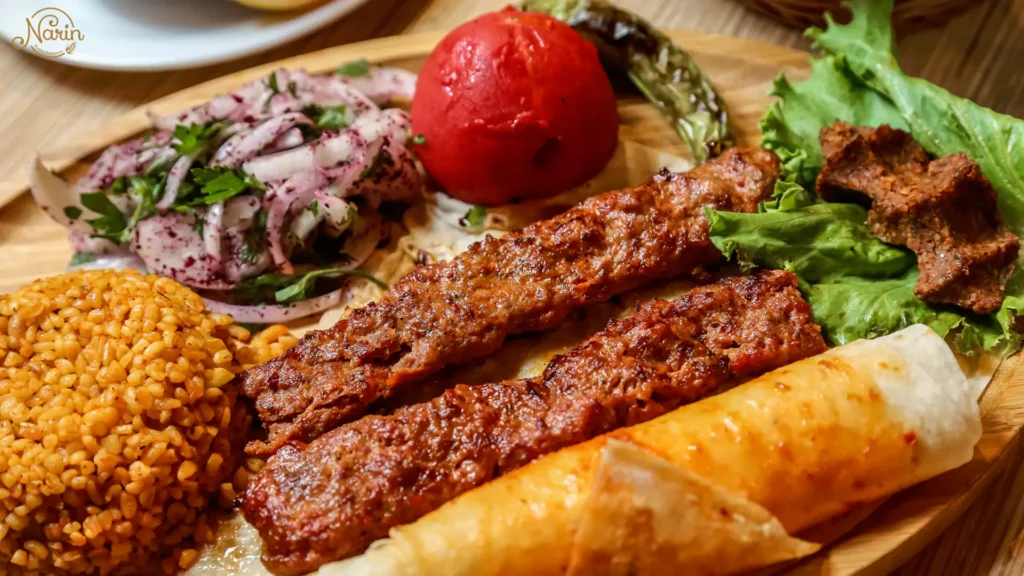
Koobideh is a sensible first order for anyone unfamiliar with Persian kebab.
The meat is minced, mixed with onion and seasoning, worked until it can hold securely to the skewer, then grilled over strong heat. Traditional versions can use lamb, beef or a blend of the two.
Its appeal lies mainly in texture. A good Koobideh should remain juicy while still holding its shape. The outer surface picks up grill character, while the centre keeps the softer texture associated with minced meat.
Choose Koobideh if you:
- prefer juicy kebabs over leaner grilled meat;
- enjoy minced lamb or beef;
- want an approachable first Persian grill;
- like mixing grilled meat with rice, tomato and yoghurt-based sides.
For many diners looking for the best Persian kebab in Sydney, Koobideh is the benchmark against which the rest of the grill menu gets judged.
At Narin Persian Restaurant, Koobideh is made with seasoned minced lamb and a portion of beef. The individual plate currently includes two skewers with saffron rice, grilled tomato and chilli.
Barg Kebab: Tender Lamb with a Finer Bite
Barg is a different experience from Koobideh because the meat is not minced. The classic style uses a whole cut that is sliced or prepared for tenderness before grilling.
At Narin Restaurant, Barg is made from tenderised lamb backstrap and comes with saffron rice, grilled tomato and chilli. The result is a cleaner meat texture. You can still see and feel the fibres of the lamb, yet the cut should remain soft enough to eat without a tough chew.
Barg makes sense if your usual restaurant order leans towards tender lamb, steak or other whole-cut grilled meats. It gives you the flavours of Persian grilling without the minced texture of Koobideh.
It is worth comparing Barg with Chenjeh rather than treating the two as interchangeable. Both use whole meat at Narin, but their cut and texture are different.
Chenjeh Kebab: A Meatier Lamb Experience
Chenjeh is aimed at diners who enjoy pieces of lamb with a more defined bite.
Where Barg has a flatter, more tenderised structure, Chenjeh retains the recognisable feel of individual pieces of meat. Each bite can carry a little more resistance and a stronger sense of the original cut. This makes Chenjeh a good pick for people who enjoy lamb skewers but do not want minced meat.
A simple way to remember the three is:
- Koobideh = minced.
- Barg = tenderised whole cut.
- Chenjeh = chunks.
That distinction is far more useful at the table than trying to rank all three as though one must be better than the others.
Chicken and Mixed Kebabs: Try More Than One Style
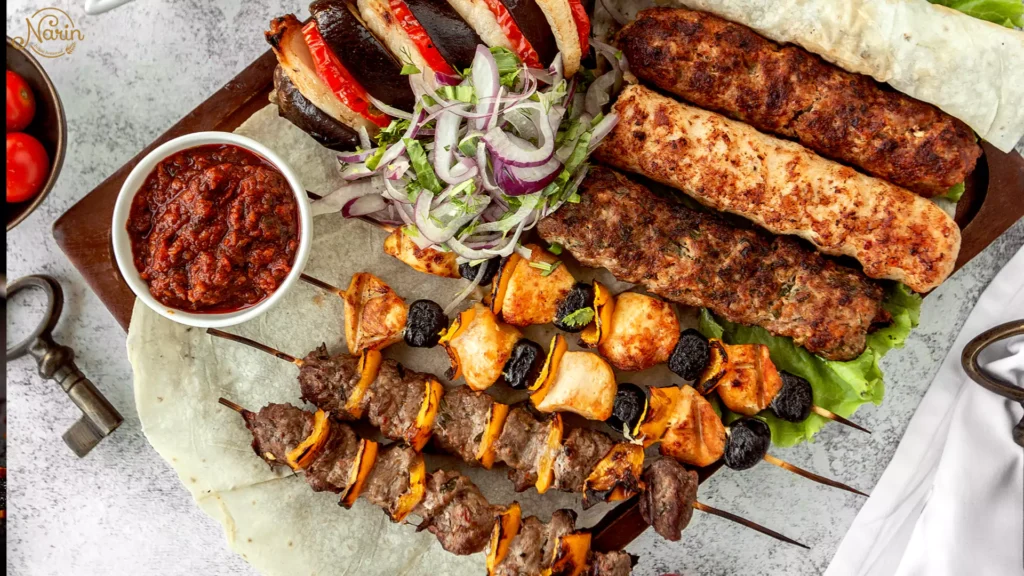
Mixed grills are especially useful if this is your first visit to a Persian restaurant. They allow you to compare different cuts at the same table instead of committing to a single kebab.
Narin Persian Restaurant’s current menu contains several combinations. The exact skewer pairings are worth reading carefully:
| Narin combination | What is included |
| Shahi Kebab | Koobideh + marinated chicken thigh |
| Soltani Kebab | Koobideh + Barg |
| Vaziri Kebab | Barg + marinated chicken thigh |
| Narin Kebab Special | Koobideh + Barg + marinated chicken thigh |
| Family Platter | Lamb kotlet + Joojeh + Koobideh + Barg + Chenjeh |
This is a useful reminder that combination names can vary between menus. Reading the dish description is safer than assuming every restaurant uses the same pairing.
How Can You Tell If a Persian Kebab Is Well Cooked?
Finding the best Persian kebab in Sydney is not purely a question of choosing Koobideh or Barg. Execution matters once the skewer reaches the grill.
Use this tasting checklist:
- Koobideh stays together without becoming rubbery.
- The centre remains moist rather than dry or crumbly.
- Grill marks add char without a burnt aftertaste.
- Barg remains tender across the whole skewer.
- Chenjeh keeps a pleasant meat texture without becoming tough.
- The rice grains remain separate rather than heavy or oily.
- Grilled tomato adds acidity and moisture alongside the meat.
- Sides refresh the palate instead of overpowering the kebab.
Koobideh requires particular attention on the grill because minced meat must remain attached to the skewer while cooking evenly. Traditional preparation uses strong heat and careful turning to keep the kebab intact and properly cooked.
What Should You Eat with Persian Kebab?
A kebab plate is only part of the Persian table. Traditionally, the main kebabs are paired with saffron rice, grilled tomato and chilli. To complete the meal, diners often add sides like Shirazi Salad, cucumber or shallot yoghurt dips, Persian mixed pickles or marinated olives. Doogh, the savoury yoghurt drink found across Persian dining, is also a classic choice.
A few combinations work particularly well according to taste:
For a fresher plate
Pair Koobideh with Shirazi Salad. Cucumber, tomato, onion, mint and lime in Shirazi Salad bring acidity against the richness of minced meat.
For richer lamb
Try Barg or Chenjeh with cucumber yoghurt. The cooler yoghurt side gives contrast to grilled lamb without masking its flavour.
For a group
Choose a mixed grill and place several sides in the centre of the table. Persian dining has a strong tradition of shared dishes and multiple accompaniments being available together.
You can see the current grill, side and drink options on Narin’s Persian Restaurant menu.
Which Persian Kebab Should a First-Time Diner Choose?
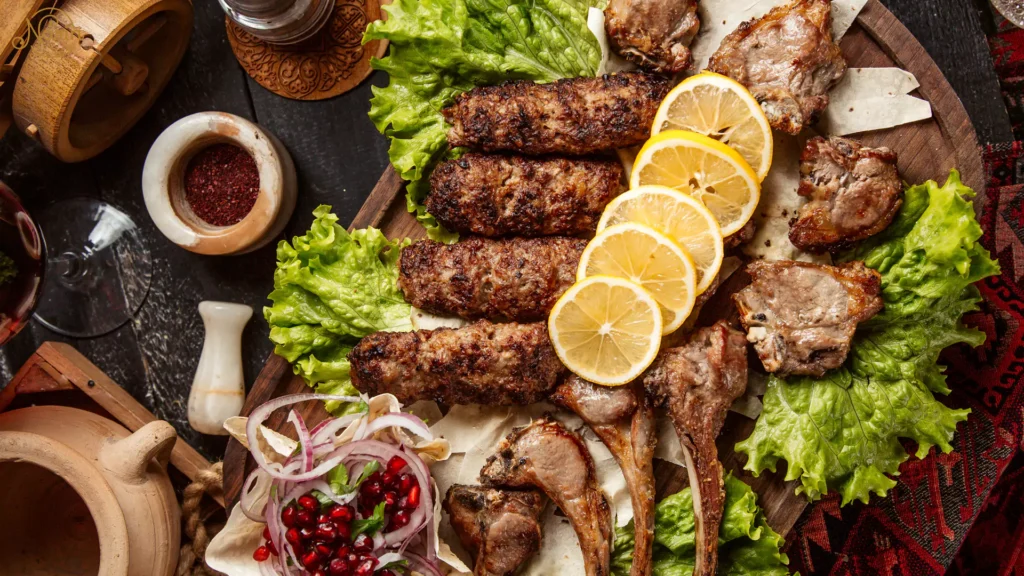
If you have never eaten Persian kebab, choose according to a familiar texture rather than the unfamiliar name on the menu.
- Choose Koobideh if you enjoy juicy minced meat.
- Choose Barg if your preference is tender lamb with a smoother whole-cut texture.
- Choose Chenjeh if you like lamb chunks and want more bite.
- Choose Chicken Kebab if you would rather begin with poultry.
- Choose Soltani if you want to compare Koobideh and Barg on the same plate.
- Choose the Narin Kebab Special if you want minced meat, lamb backstrap and marinated chicken in one order.
For a larger group, the Family Platter gives the table the widest comparison across the current kebab menu.
This taste-first approach is more useful than asking which dish is universally the best Persian kebab in Sydney, since tenderness, fat, meat cut and portion preferences vary from diner to diner.
Persian Kebab in Northmead, Sydney
Narin Persian Restaurant is located at 14/2B Campbell Street, Northmead NSW 2152. The restaurant’s current working hours are Wednesday to Monday, 12:00 pm to 9:00 pm.
The restaurant’s menu spans Persian kebabs, khoresht, mixed rice dishes, appetisers, salads, yoghurt sides, Persian drinks and desserts.
For a booking enquiry, larger gathering or question about the menu, the Narin contact page lists the restaurant’s current phone, address and enquiry form.
Choosing Your Persian Kebab in Sydney
The most useful way to find the best Persian kebab in Sydney is to begin with the texture you already enjoy.
Koobideh gives you the juicy softness of seasoned minced meat. Barg offers tender lamb backstrap. Chenjeh keeps the fuller bite of lamb chunks. Mixed grills make sense when you want to compare more than one style around the same table.
Narin brings these choices together in Northmead, with individual kebabs, combination plates and a family platter on its current menu.
Frequently Asked Questions About Best Persian Kebab in Sydney
What is the best Persian kebab to try for the first time?
Koobideh is a good starting point if you enjoy juicy minced meat. Barg suits diners who prefer tender whole-cut lamb, while chicken kebab offers a milder alternative.
What is the difference between Koobideh and Barg?
Koobideh is made from minced meat shaped around a skewer. Barg uses a whole cut of meat. At Narin, Koobideh combines minced lamb with some beef, while Barg uses tenderised lamb backstrap.
What is the difference between Barg and Chenjeh?
Both are whole-meat kebabs on Narin’s menu. Barg uses tenderised lamb backstrap, while Chenjeh uses lamb chunks, giving Chenjeh a more distinct bite.
What is Soltani kebab?
Soltani commonly combines Barg and Koobideh. Narin’s current Soltani includes one skewer of Koobideh and one skewer of Barg with saffron rice, grilled tomato and chilli.
Are Narin’s Persian kebabs gluten-free?
We currently mark Koobideh, Barg, Chenjeh, Chicken Kebab and its main kebab combinations as gluten-free on the menu. The restaurant asks guests to tell staff about allergies. Anyone with coeliac disease or a serious allergy should confirm preparation and cross-contact details directly with the restaurant before ordering.