
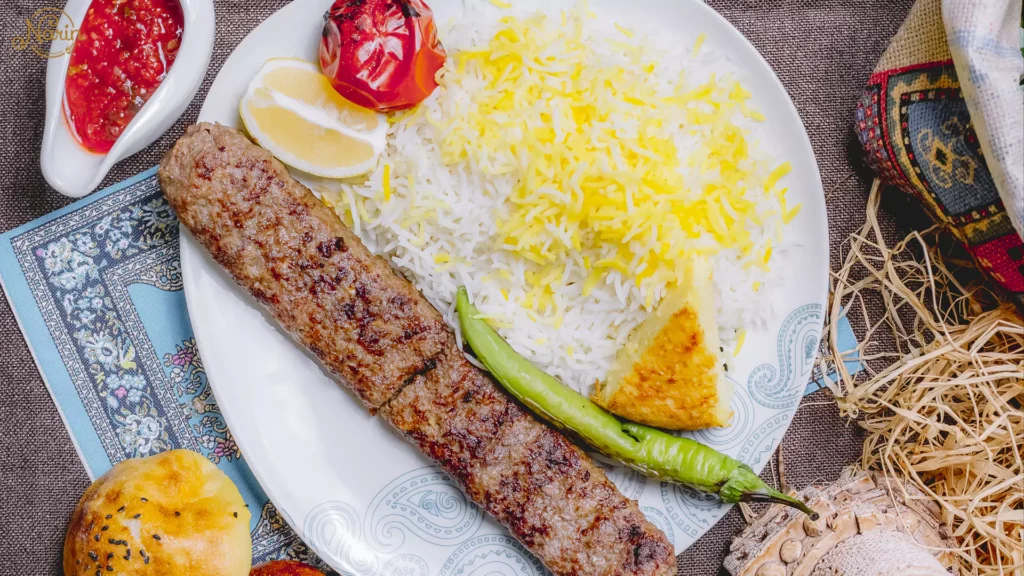
The smell of charcoal-grilled meat, turmeric, and dried limes is hard to miss when you walk into an Iranian restaurant. For food enthusiasts exploring New South Wales, the appeal is immediate and obvious. But for diners following Islamic dietary rules, a great menu is not enough. You need facts about ingredient sourcing and kitchen preparation methods. This naturally brings up a common question: Is Persian food halal?
Traditional Iranian recipes are overwhelmingly halal by default. You simply will not find pork in a classic herb stew or cooking wine used to deglaze a pan. Centuries of culinary evolution mean these recipes were designed around permissible ingredients from day one. Australian commercial kitchens, however, present a different reality. The halal status of your meal depends entirely on a restaurant’s supply chain and hygiene protocols. Knowing exactly what goes into the pot and how Australian kitchens operate gives you the confidence to enjoy this cuisine safely.
Traditional Persian Food Ingredients: A Naturally Halal Cuisine
You find yourself asking: What is Persian food? The answer always starts with balance. The cooking uses massive amounts of fresh herbs, long-grain basmati rice, legumes, and specific cuts of lamb, beef, and poultry.
Western recipes often rely on alcohol for acidity or pork fat for extra flavour. Persian chefs take a completely different route. They pull their sour and savoury notes from purely natural, plant-based sources. This makes the cuisine incredibly safe for observant diners.
Key flavour-makers in Iranian kitchens include:
- Pomegranate molasses and verjuice: These liquids add a sharp acidity that easily cuts through rich, slow-cooked meats.
- Sun-dried Persian limes (Limoo Amani): Chefs pierce these and drop them into stews for a unique, earthy tartness.
- Saffron: Hand-harvested threads give rice dishes a golden colour and floral smell without artificial additives. In fact, the flavour of Persian Rice often comes down to high-quality saffron combined with a very careful steaming process.
Because the history of the food is tied to Islamic traditions, chefs never had to invent substitutes for forbidden items. The recipes were clean from the start. The primary proteins just need the correct religious processing before they reach the restaurant.
Understanding Halal Meat Sourcing in Australia
Ancient recipes might be compliant, but an Australian restaurant must still buy certified physical ingredients. Halal requirements for meat are strict and highly regulated.
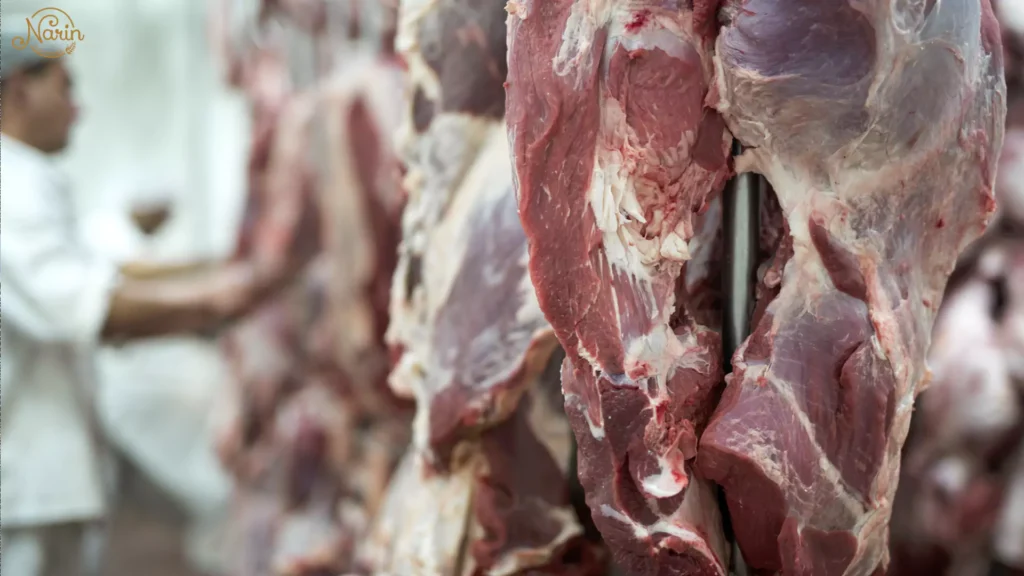
Australia runs one of the most robust halal meat industries globally. Recognised Islamic certification bodies, like the Australian Federation of Islamic Councils (AFIC), oversee the entire process.
For meat to get legal halal certification in this market, it must pass very specific checks:
- The Operator: A sane, practising Muslim adult must perform the slaughter process.
- The Intention: The operator must invoke the name of Allah at the exact moment of processing.
- The Method: A swift cut to the windpipe and blood vessels ensures humane treatment.
- The Purification: Blood must drain fully from the carcass, as consuming it is strictly forbidden.
If you are searching for a halal Persian restaurant near me, checking their meat suppliers is your biggest priority. The minced beef for kebabs and the chicken for the grill must arrive with legitimate, traceable certification.
Navigating Cross-Contamination in Commercial Kitchens
Buying the right meat is just the starting point. A truly halal meal survives through tightly controlled kitchen practices. If a chef cooks halal lamb on an uncleaned grill used for non-halal items, the food breaks the rules instantly.
Dedicated Persian venues rarely have pork on site. This removes a massive cross-contamination risk right away. But diners still need to watch for modern shortcuts in commercial spaces.
Watch out for these hidden kitchen risks:
- Commercial Marinades: Less authentic spots might use cheap, pre-packaged sauces containing trace alcohol or unverified vinegars.
- Dessert Extracts: Traditional sweets like Sholeh Zard (saffron rice pudding) use pure rose water. Swapping this for an alcohol-based vanilla extract makes the dessert non-compliant.
- Shared Equipment: Kitchens must strictly separate all cutting boards, utensils, and deep fryers from non-halal items.
A good establishment keeps its cool rooms separated. They will also happily tell you exactly what ingredients sit in their pantry.
Evaluating a Halal Persian Menu
When you read a menu, you will mostly see slow-cooked Persian stews (Khoresh), grilled meats (Kebab), and fragrant rice dishes (Polo). Knowing how chefs build these dishes helps you verify their compliance.
Table 1: Popular Persian Dishes and their Halal Compliance Factors
| Dish Name | Primary Ingredients | Traditional Preparation Method | Halal Compliance Indicators |
| Koobideh Kebab | Ground lamb and beef, grated onion, salt, black pepper, saffron. | Massaged into a paste, moulded onto flat skewers, and charcoal-grilled. | Requires verified halal ground meats. Authentic versions skip commercial binders. |
| Ghormeh Sabzi | Diced lamb, fresh parsley, coriander, kidney beans, dried limes. | Slow-simmered in a deep pot for hours to build a rich flavour profile. | Relies purely on herbs and dried limes. Meat must be certified lamb or beef. |
| Zereshk Polo ba Morgh | Chicken, saffron basmati rice, barberries (zereshk), tomato paste. | Chicken is slow-cooked; rice is steamed separately for a fluffy texture. | Completely halal when certified chicken is used without commercial stock cubes. |
| Kashk-e Bademjan | Eggplant, garlic, mint, walnuts, liquid fermented whey (kashk). | Eggplants are mashed with sautéed mint, garlic, and whey. | A vegetarian starter. Kashk is a natural dairy product, making it universally halal. |
The intense flavours come from natural vegetables and traditional spices. Whether you are ordering a main course or exploring Persian appetizers, chefs simply do not need questionable commercial sauces to make these meals work.
Locating a Trusted Halal Persian Restaurant in Sydney
Sydney has a massive Middle Eastern food scene. The western suburbs, home to a diverse Muslim population, offer particularly strong dining options.
If you want a halal Persian restaurant in Sydney, you will find plenty of choices. For example, if you are searching for the Best Persian Kebab in Sydney, ensure the venue truly respects your dietary needs by looking for a few specific signs. Staff should confidently answer questions about their butchers and supply chain.
Authentic Iranian restaurants also stick to the classics. They avoid mixing in unrelated Western dishes that could bring non-compliant ingredients into the kitchen. Finally, check the community reputation. Consistent patronage by local families is always a great sign of kitchen hygiene and respect for dietary laws.
The Narin Persian Restaurant Approach in Northmead
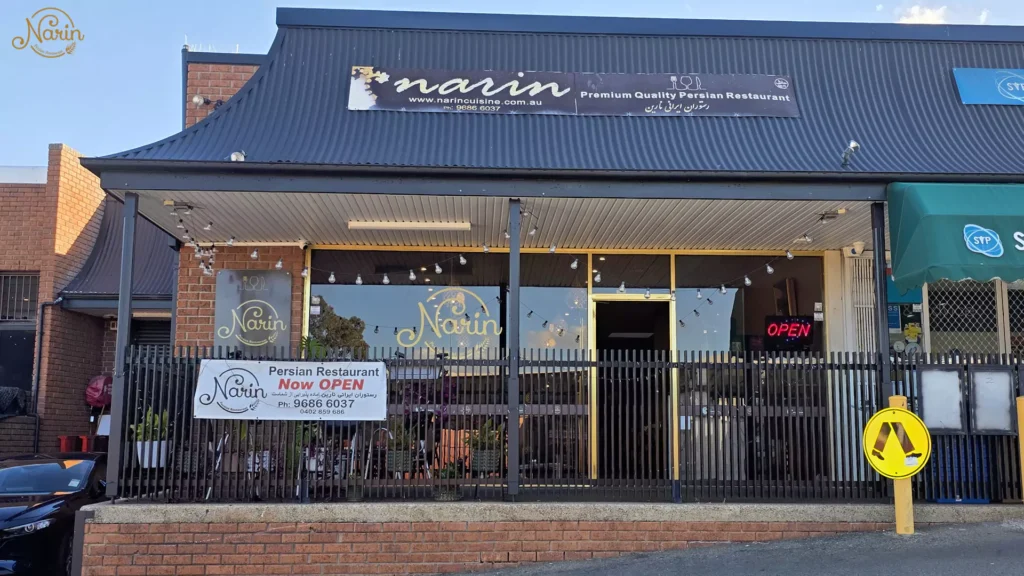
Narin Persian Restaurant shows exactly how genuine Persian food works in Australia. We relocated to Sydney in 2017 and built our menu entirely around home recipes.
Our commitment to cultural authenticity means a strict approach to halal practices. Every piece of meat in the kitchen is completely and traceably halal. We skip pre-packaged marinades entirely to keep the menu traditional and safe.
Spices and speciality ingredients come directly from dedicated Iranian grocers. This meticulous sourcing ensures the tartness in your stew comes from real pomegranate molasses, not artificial substitutes.
Whether you want a comforting bowl of Ghormeh Sabzi or a casual family dinner, our controlled kitchen environment provides total peace of mind.
Enjoying Authentic Halal Persian Food with Confidence
Following strict dietary requirements does not mean compromising on flavour or cultural authenticity. Persian cuisine uses fragrant herbs, tart natural fruits, and charcoal-grilled meats to create brilliant, naturally compliant meals.
Knowing the foundational ingredients and asking the right questions about local meat sourcing lets you explore the food safely. If you are in New South Wales, finding a family-run establishment that values traditional recipes and clear sourcing will always lead you to a memorable meal.
Frequently Asked Questions About Persian Halal Food
What makes Persian food different from other Middle Eastern cuisines regarding dietary rules?
Persian cooking is highly aromatic rather than spicy. It relies on slow-simmered fruit-and-meat stews instead of heavy commercial sauces. The heavy use of natural ingredients like saffron and pomegranate inherently avoids hidden non-compliant additives.
Do traditional Persian restaurants use alcohol in their cooking?
Authentic Iranian recipes never require wine for deglazing pans or marinating meats. Chefs achieve the distinct sour flavours entirely through natural fruit acids, such as verjuice, dried limes, and sour oranges.
How can a diner verify the meat sourcing at a local restaurant?
The fastest way is to ask the staff directly. Establishments adhering to dietary laws buy their meat exclusively from certified Australian halal butchers. They will happily confirm this and explain their kitchen rules.
Are traditional Persian desserts safe to consume on a restricted diet?
Yes, traditional desserts like Sholeh Zard (saffron rice pudding) and Bastani (Persian ice cream) are perfectly safe. Chefs flavour them with natural rose water and saffron. Just ensure the kitchen avoids cheap commercial vanilla extracts containing alcohol.
Can I order Persian kebabs without worrying about cross-contamination?
In an authentic, dedicated Persian restaurant, yes. Their core menu is entirely halal and skips pork entirely. This keeps the risk of cross-contamination on the charcoal grill extremely low compared to mixed-cuisine cafes.