
One of the best things about vegetarian Persian food is the variety. Eggplant, lentils, beans and fresh herbs all have a place in Iranian cooking, and they’re used in dishes that have plenty of flavour without any meat. You might come across a bowl of ash reshteh, a plate of lentil rice, or kuku sabzi, a herb-packed frittata often served with bread and yoghurt. If you’re vegan, though, it’s worth asking a few questions before ordering. Some dishes contain eggs or dairy, even when meat isn’t part of the recipe. At a Persian restaurant in Sydney, the staff can usually tell you how a dish is made and whether any ingredients need to be left out.
Getting to know vegetarian Persian food
Herbs do much of the work in vegetarian Persian food. A kuku might contain enough parsley, coriander and dill to look green all the way through; a thick herb soup gets its depth from greens cooked together with beans.
Sour flavours matter too. Lime sharpens a cucumber salad, pomegranate molasses adds tartness to walnuts and olives, and dried lime gives a stew a deeper citrus flavour. Most of these dishes are aromatic rather than chilli-hot, with regional differences across Iran.
If the menu names are new to you, start with the reading of “what is Persian food?” for an introduction to the ingredients and common dishes.
Vegetarian or vegan? The ingredients that make a difference
A meat-free Persian dish can still contain eggs or dairy. Kashk, the tangy fermented dairy used in soups and eggplant dishes, is especially useful to recognise: menus sometimes describe it as whey. It may be mixed through the food as well as spooned over the top.
Recipes differ between kitchens, so treat the dish name as a clue rather than a dietary label.
| Dish | What you can expect | What matters for vegan diners |
| Ash reshteh | Herbs, beans and noodles | Kashk, stock and noodle ingredients |
| Kashk bademjan | Soft eggplant with a savoury tang | Dairy mixed into the dip |
| Mirza ghasemi | Smoky eggplant, tomato and garlic | Egg cooked into the mixture |
| Kuku | Herb or potato frittata | Egg used to hold it together |
| Baghali ghatogh | Beans with dill and garlic | Eggs and sometimes butter |
| Persian rice | Plain or layered with other ingredients | Butter, stock and meat toppings |
| Yatimcheh | Eggplant and tomato stew | Usually suitable with oil and no animal stock |
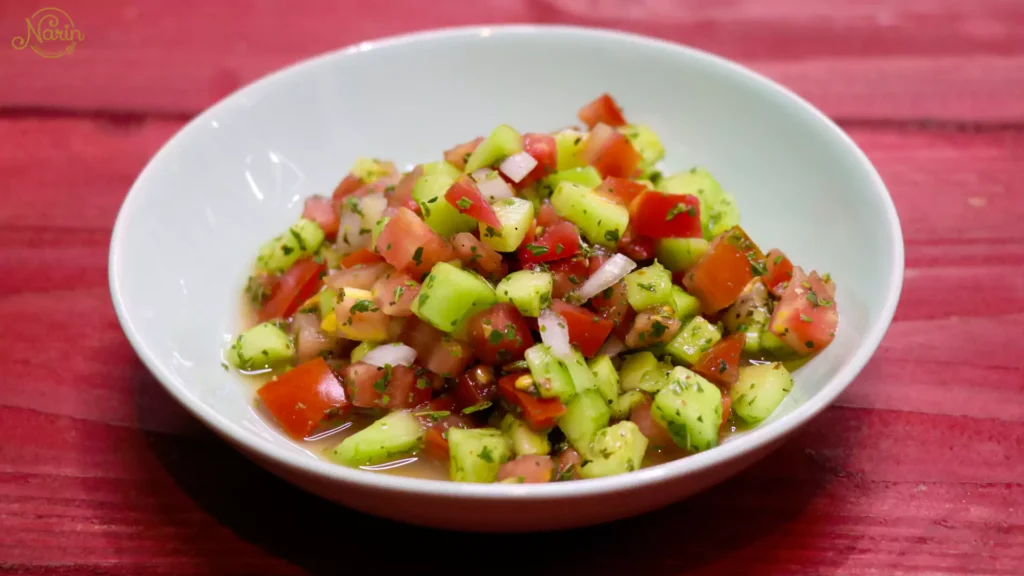
| Shirazi salad | Cucumber, tomato, onion and citrus | Any changes to the usual dressing |
Persian soups that make a proper meal
In Persian cooking, soup can be a meal in its own right, not just something to have before the main course. Many traditional Iranian soups are made with beans, lentils, fresh herbs and noodles, all cooked together until the flavours come together. They’re hearty, full of flavour and often filling enough that you won’t need much else on the table.
Ash reshteh: a thick herb and noodle soup
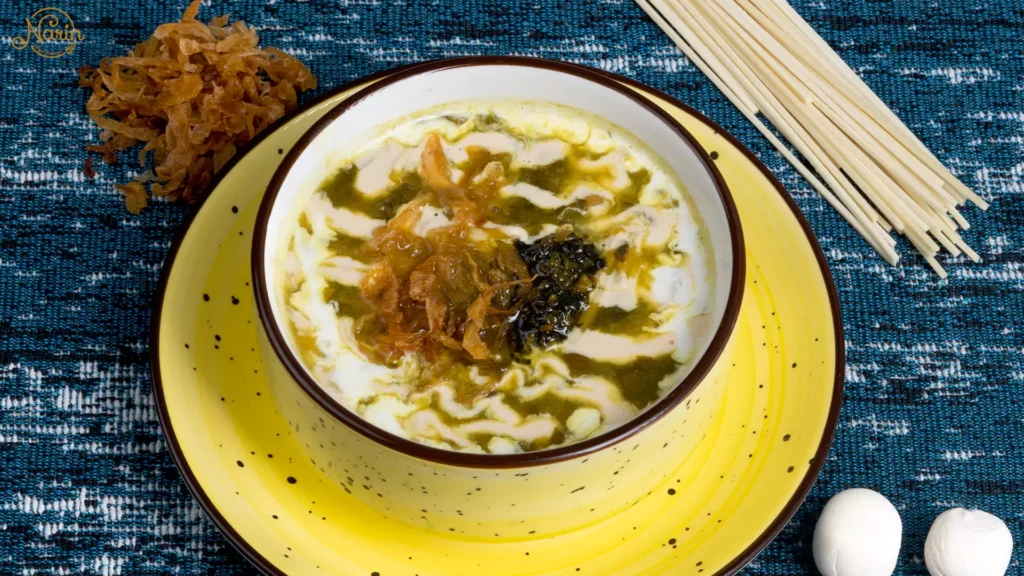
Ash reshteh is thick enough to make lunch of, with beans, chickpeas and often lentils among the greens. Reshteh noodles run through the soup, catching a little of the herbs as you lift your spoon. Fried onion and mint finish the bowl, with kashk adding a sour note. For a vegan serving, ask whether any kashk goes into the soup itself, as well as on top.
Adasi: lentils, onion and a squeeze of lemon
Adasi is a simpler lentil soup, cooked with onion and sometimes potato. It’s eaten for breakfast in Iran, though there’s no reason to keep it to the morning. An oil-based version made with water or vegetable stock can be vegan. Have bread alongside it and add a squeeze of lemon to lift the earthy lentil flavour.
Eggplant dishes: smoky, creamy or tomato-rich
Eggplant has a special place in Persian cooking, and a few simple ingredients can bring out very different flavours. In mirza ghasemi, it’s usually roasted over a flame to give it that smoky taste. Kashk bademjan is softer and creamier, with a tangy flavour from kashk, a type of fermented dairy. Other recipes cook eggplant slowly with tomatoes until everything turns rich and tender. These dishes are often served in the middle of the table with fresh flatbread, ready for everyone to dig in.
Kashk bademjan
Kashk bademjan has a thick, soft texture, with garlic and fermented dairy worked into the eggplant. Mint, fried onion and walnuts often finish the dish. The kashk gives it a tang you won’t get from plain cooked eggplant, and the walnuts add texture. Take a little of the topping as you scoop it up with flatbread.
Mirza ghasemi
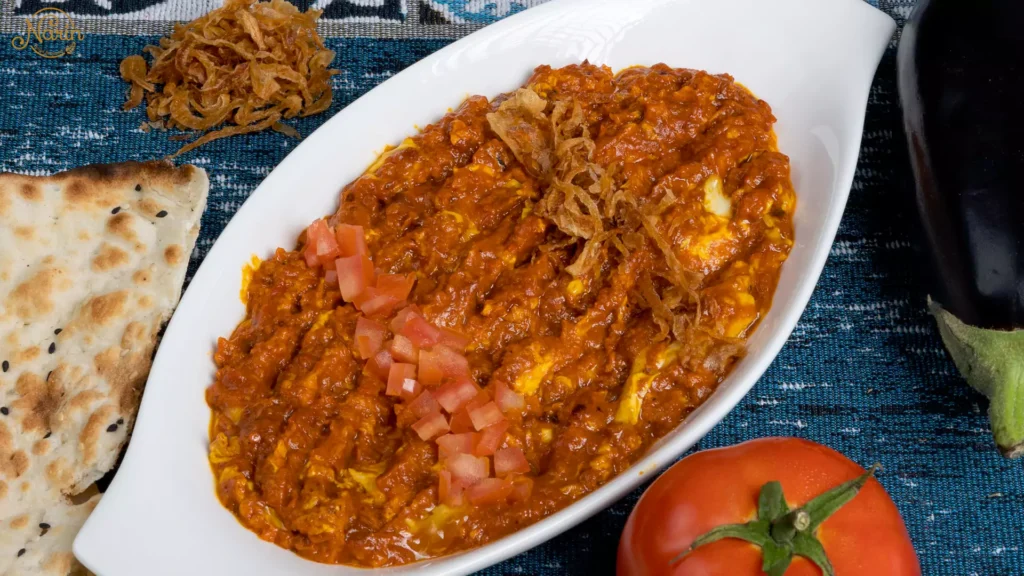
Mirza ghasemi comes from Gilan Province in northern Iran. Charred eggplant gives it a smoky flavour, tomato adds softness and acidity, and garlic is prominent. Eggs are cooked into the mixture, giving it more body without turning it into an omelette.
Rice makes it a fuller meal; bread is handy if you’re sharing it. Ask before ordering if you need an egg-free version.
Yatimcheh
Yatimcheh lets eggplant and tomato soften together with onion and garlic, often seasoned with turmeric. Some versions include potatoes, which soak up the tomato juices. It’s a spoonable vegetable stew, particularly good with bread for the sauce left on your plate. Recipes cooked with oil and no animal stock can suit vegan diners.
Herb frittatas, potato patties and dill-scented beans
Fresh herbs, potatoes and beans are used in all sorts of Persian dishes, so there’s more to choose from than stews and rice. You might find kuku sabzi, a herb-packed frittata, crispy potato patties or beans cooked with garlic and dill. They’re good options if you want something meat-free alongside the more filling dishes on the table. If you’re vegan, it’s worth asking how the food is prepared, as eggs are often used in herb frittatas and potato patties.
Kuku sabzi and kuku sibzamini
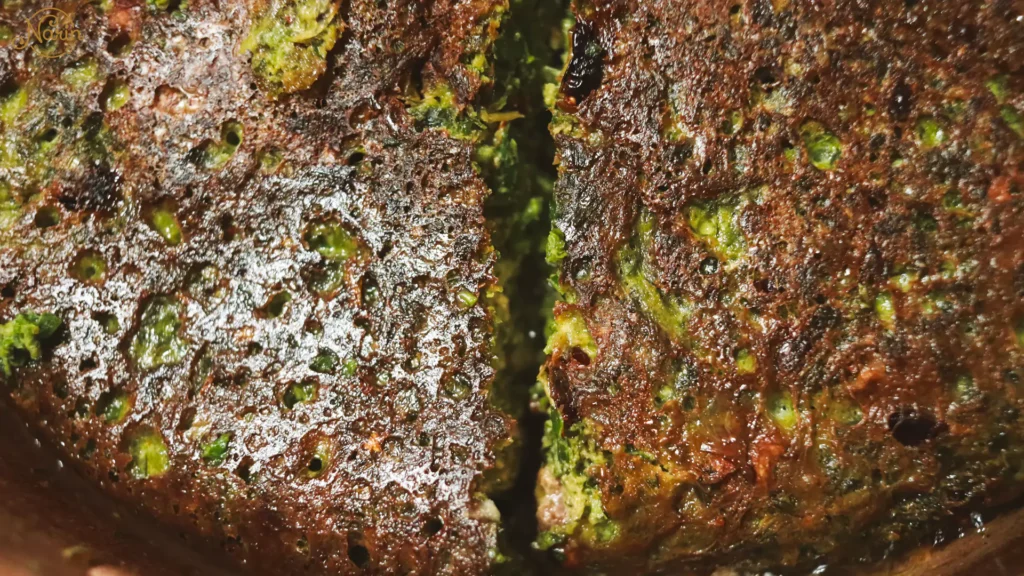
Kuku sabzi puts herbs at the centre of the dish. Parsley, coriander, dill and chives are packed into a mixture held together with egg; some cooks add walnuts or barberries. Expect a dense green slice with far more herb flavour than a typical breakfast omelette.
Kuku sibzamini takes a different direction. Potato and egg make patties with browned edges and a soft middle, useful alongside salad or pickles. Both kuku styles belong on a vegetarian table, but vegan versions need a different binder.
Baghali ghatogh
Baghali ghatogh is another northern Iranian dish, built around beans, dill and garlic. Broad beans appear in many recipes; the bean variety can differ. Eggs are often cooked into the pan, and butter may be used.
Serve it over rice so the dill-flavoured sauce reaches the grains underneath. Vegan adaptations omit the eggs and use oil.
Rice, tahdig and stuffed vegetables
Persian rice is often much more than a bowl of plain rice on the side. It might be cooked with lentils and raisins, mixed with fresh herbs, or served with sweet dates for a little contrast. Add stuffed vegetables and a serving of tahdig, the golden, crispy layer at the bottom of the pot, and you have a meal worth sitting down for. If you’re vegan, just ask how the rice and other dishes are prepared. Some recipes use butter or yoghurt, and certain dishes may contain animal stock.
Choosing a meat-free Persian rice dish
Adas polo brings lentils and rice together, often with raisins, dates or fried onion. The fruit gives little sweet bites among the earthy lentils. Some cooks add mince, so the name alone does not tell you whether it is vegetarian.
Baghali polo pairs rice with dill and broad beans; sabzi polo uses herbs. Either can be served beside meat or fish. Dami gojeh farangi, a tomato rice often cooked with potato and onion, is another dish to look for if you enjoy gently seasoned vegetable meals.
Tahdig is the crisp layer underneath the steamed rice. It might be made from rice, sliced potato or bread, depending on the cook. Butter, yoghurt or egg can appear in the preparation, so ask about the tahdig separately from the rice above it. Our guide to Persian rice and tahdig explains the different styles.
Dolmeh: what is inside matters
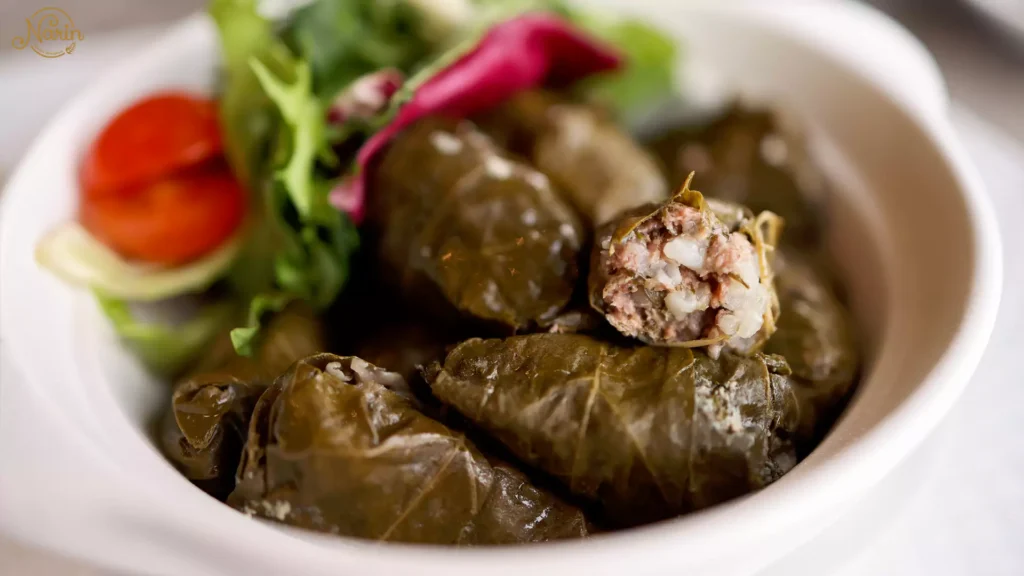
Dolmeh includes stuffed vine leaves and vegetables such as capsicums. A meat-free filling might combine rice, split peas and herbs, sometimes with a sweet-sour seasoning. Vine-leaf parcels are easy to share; a stuffed vegetable can be more substantial. Check the filling and cooking liquid, since other recipes include mince, butter or yoghurt.
Can Persian stews be made without meat?
A walnut sauce gives fesenjoon its body, with pomegranate adding a tart flavour. A vegetarian recipe can use mushrooms or vegetables in place of chicken. Ghormeh sabzi draws on cooked herbs, beans and dried lime; gheimeh combines split peas with tomato and dried lime.
These Persian stews expand the choice of vegetarian Persian food when they are prepared without meat from the start. Chicken or lamb is common in restaurant versions, so look for a dish labelled vegetarian. Taking meat out of a finished stew leaves the sauce it was cooked in.
Salads, dips and other meat-free Persian dishes to share
Shirazi salad is finely diced cucumber, tomato and onion dressed with citrus, often with dried mint. It is particularly welcome beside soft eggplant or a thick soup. Sabzi khordan, a platter of fresh herbs sometimes served with radishes and cheese, lets you add a fresh bite as you eat.
For yoghurt dips, mast-o-khiar means cucumber yoghurt, mast-o-moosir uses shallot, and borani combines yoghurt with vegetables such as spinach or beetroot. Vegans can look instead for torshi, or pickled vegetables, and zeytoon parvardeh: olives dressed with walnuts and pomegranate. Check added ingredients, including any cheese served with the herbs.
Falafel belongs here too, particularly in the street food of southern Iran around Abadan. Chickpea versions can be vegan, though the sauce and preparation need checking. Its crisp texture makes a useful contrast to softer dishes on the table.
Persian desserts for vegetarian and vegan diners
Sholeh zard is saffron rice pudding flavoured with rosewater, often decorated with cinnamon and nuts. Some recipes use butter; others can be made with plant-based ingredients. The yellow colour comes from saffron; it doesn’t tell you which cooking fat was used.
Faloodeh combines fine noodles with frozen rosewater syrup, commonly served with lime. It can suit vegan diners when made without animal ingredients and served without ice cream. Persian halva needs its own check, since the flour-based sweet may be cooked with butter or another fat.
Ordering vegetarian Persian food in Sydney
Build your order around appetite as well as ingredients. A thick soup might be enough for lunch; an eggplant starter may need bread, rice or another dish to make dinner. Ask about portions before choosing.
Ask the kitchen:
- Is there meat or meat stock in the recipe?
- Are eggs or dairy already mixed in?
- Is the rice cooked with butter, and how is the tahdig made?
- Can a different preparation be arranged before cooking?
If you have a food allergy, mention it separately. Vegan dishes can still contain walnuts, wheat or sesame, and the kitchen needs to know your particular requirements, including any concerns about shared equipment.
Our vegetarian Persian food at Narin Persian Restaurant, Northmead
We’re a family-run Persian restaurant near Parramatta, in Northmead. Our meat-free choices include eggplant starters, Ash Reshteh, yoghurt dips and salads.
Our Kashk Bademjan brings together eggplant, garlic, mint, walnuts and kashk. If you prefer tomato and garlic to a dairy-based dip, our Mirza Ghasemi is another option; it contains egg. There are more meat-free choices on our menu.
| Our dishes | Ingredients and dietary notes |
| Ash Reshteh | Herbs, beans, chickpeas and noodles; listed with kashk |
| Cucumber or Shallot Yoghurt Dip | Vegetarian; contains dairy |
| Marinated Olives | Marked vegan; contains walnuts |
| Shirazi Salad and Garden Salad | Marked vegan |
| Persian Mixed Pickles and Chips | Marked vegan |
| Extra Rice | Ask us about the cooking fat |
| Sholeh Zard, Halva and Saffron Ice Cream | Our menu lists dairy and nuts |
If you’re looking for a vegan Persian restaurant in Sydney, speak with us about the dishes you’d like to order. Our Ash Reshteh is listed with kashk; please ask whether a serving can be prepared without dairy throughout. You won’t find every dish described in this guide on our menu, so check the current choices before planning your meal.
Choose a dish that sounds good to you
Vegetarian Persian food gives you room to follow your own tastes, from smoky eggplant to herb-filled kuku or rice with lentils and dates. Once a dish catches your interest, a quick ingredient check helps you decide how it fits your diet.
If you would like to plan a meal with us, contact our team about your dietary requirements. We can talk through the options on our menu before your visit.
Frequently asked questions about Vegetarian Persian Food
What Persian food can vegetarians eat?
Eggplant dishes, kuku, bean soups and meat-free rice are useful places to start. Many contain eggs or dairy, which may suit vegetarians but need attention for vegan dining.
Is kashk bademjan vegan?
The traditional dish contains kashk, a dairy ingredient. Removing a spoonful from the top will not remove any already mixed into the eggplant.
Can Persian rice and tahdig be vegan?
They can, if made without butter, animal stock, yoghurt or egg. Ask about both parts of the dish, since their ingredients may differ.
Does mirza ghasemi usually contain egg?
In the usual recipe, egg cooks into the eggplant and tomato mixture. An egg-free version needs to be planned during preparation.
Which vegetarian dishes can we order at Narin Restaurant in Sydney?
Our menu includes Kashk Bademjan, Mirza Ghasemi, yoghurt dips and salads. Ash Reshteh is another meat-free choice; speak with us about its kashk and any vegan requirements.