
Looking for an authentic Persian restaurant near Parramatta? Imagine walking into a cozy eatery filled with the aroma of saffron and grilled meats. In Sydney’s western suburbs, Persian food has gained popularity for its rich flavours and warm hospitality. This guide explains the hallmarks of Persian cuisine, fragrant rice, spice blends like saffron and dried lime, tender kebabs, and stews, and shows you how to find a genuine Persian dining experience. Read on to learn what makes Persian food unique and why Narin Restaurant in Northmead (just a short drive from Parramatta) is a local favourite for Iranian flavours.
What to Expect from the Best Persian Restaurant Near Parramatta
When you are looking for top-tier Persian dining in western Sydney, a few key details separate a standard meal from an exceptional one. Here is what to look for when choosing where to eat.
Authentic Sourcing for Spices and Herbs
Genuine Iranian flavours rely on specific ingredients that are hard to substitute. The best kitchens source real saffron, dried limes (limoo amani), and pomegranate molasses directly from specialty Iranian grocers. This ensures your fesenjoon has the right tartness and your rice carries the distinct aroma of pure saffron, rather than artificial colouring.
Expertly Grilled Kebabs
A great Persian restaurant takes its grilling seriously to ensure the perfect texture and flavour. Whether it is minced koobideh or tender joojeh (chicken), cooking fresh on a hot grill locks in the rich marinades and spices. The meat should always be perfectly juicy on the inside with a beautifully seared, slightly crisp exterior.
Slow-Cooked Stews Made from Scratch
Persian stews, or khoresh, require patience. Dishes like ghormeh sabzi need to simmer for hours so the herbs, meat, and beans can meld together. A quality restaurant avoids rushing this process and skips pre-packaged bases, relying instead on home recipes and slow cooking to build deep, complex flavours.
Genuine Hospitality and a Family-Run Focus
Persian culture places a huge emphasis on welcoming guests. The best local spots in Parramatta and Northmead are often family-run, meaning the recipes have been passed down through generations. You can expect staff who are happy to explain the menu, accommodate dietary needs, and ensure your table has plenty of fresh bread and herbs.
Key Flavours and Ingredients in Persian Cooking
Persian cooking uses plenty of herbs and sour ingredients. Dried lime gives stews a tang, barberries add little bursts of tartness to rice, and saffron brings its own aroma. Chilli is usually a minor ingredient, so a dish can have plenty of flavour without much heat.
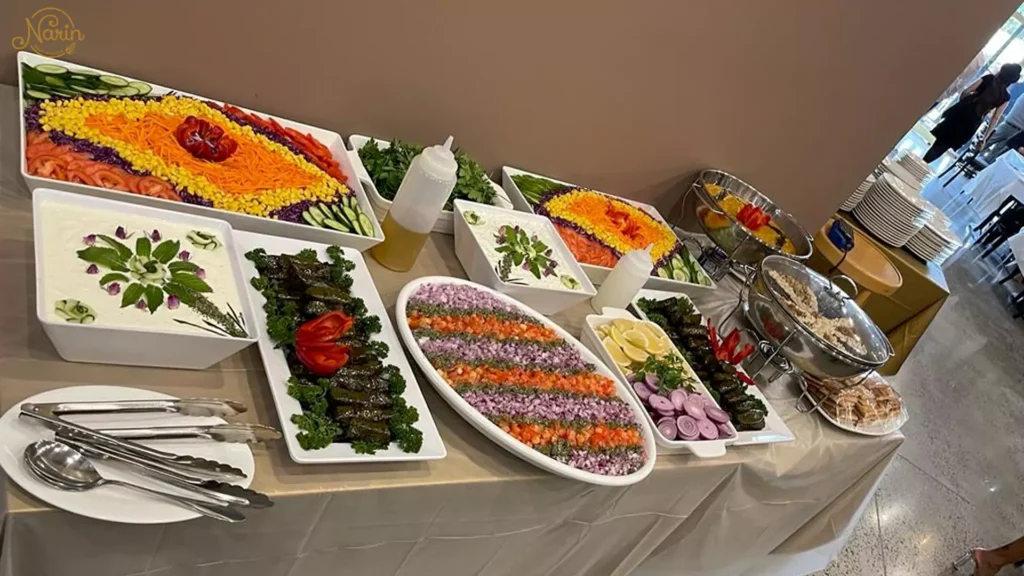
Rice is a large part of the meal, often served beside lamb, beef or chicken. Yoghurt, lentils and beans appear across the menu, with walnuts used in dishes such as fesenjoon. A few ingredients are worth knowing before you order:
- Rice and saffron: Chelow is plain steamed rice, often finished with saffron rice on top. Polo usually refers to rice cooked or mixed with other ingredients. Tahdig is the crisp layer from the bottom of the pot. Ask whether it’s available rather than expecting it with every restaurant meal. For more information, you can read “the secret of Persian rice and tahdig”.
- Herbs and dried lime: Ghormeh sabzi is a stew made with herbs, beans and meat, commonly lamb or beef. Parsley and fenugreek give it a recognisable flavour, with dried lime adding sourness.
- Kebabs: Koobideh uses minced lamb, beef or a mixture of the two, worked with onion and shaped onto skewers. Joojeh is chicken kebab, often marinated with saffron. The cuts and marinades vary between kitchens. Click here for more information about the best Persian kebab in Sydney.
- Tart fruit and yoghurt: Zereshk polo combines rice with barberries and is often served with chicken. Pomegranate molasses goes into fesenjoon. Mast-o khiar is a cucumber and yoghurt dip, and doogh is a savoury yoghurt drink.
For Persian appetizers, you might see kashk bademjan, an eggplant dip made with tangy kashk, a fermented dairy ingredient. Mirza ghasemi combines smoky eggplant with tomato, garlic and egg. Ash reshteh is a thick soup with herbs, beans and noodles, so it’s worth leaving room for if you plan to order mains too.
Persian Dining Near Parramatta
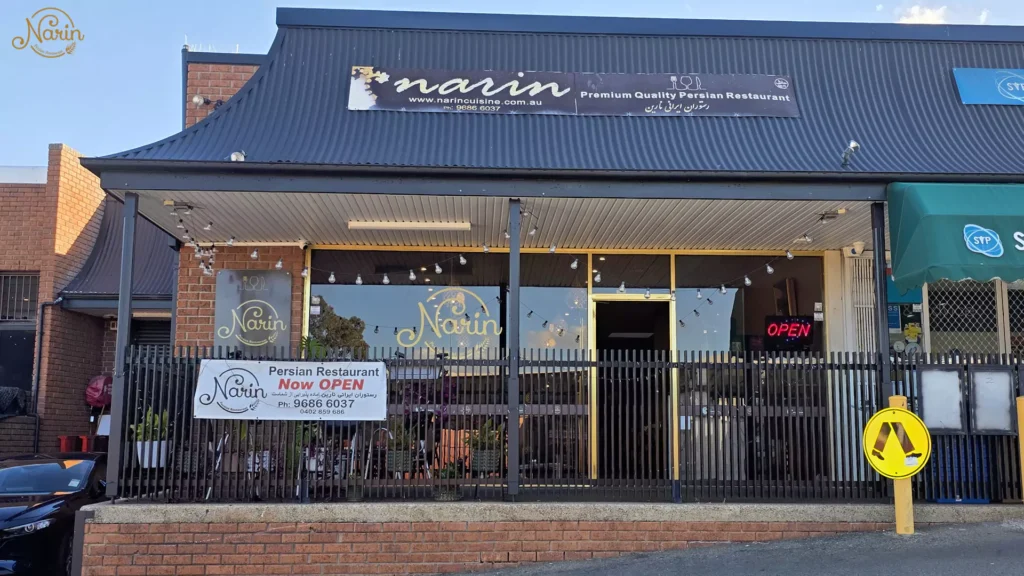
Include Northmead in your search for Persian food around Parramatta. Narin is at 14/2B Campbell Street, outside the Parramatta CBD. Check the address when planning your trip, particularly if you’re meeting friends coming from different parts of Sydney.
Decide whether you want to sit down for dinner or pick up takeaway. For a group meal, call ahead about table space and shared dishes. You’ll get a clearer idea of how much to order, and you can ask about any dietary requirements before everyone arrives.
What to Look for in a Persian Restaurant in Parramatta
A Persian menu can vary quite a bit from one restaurant to the next. These details can help you choose somewhere that suits your meal:
Recipes and the dining room
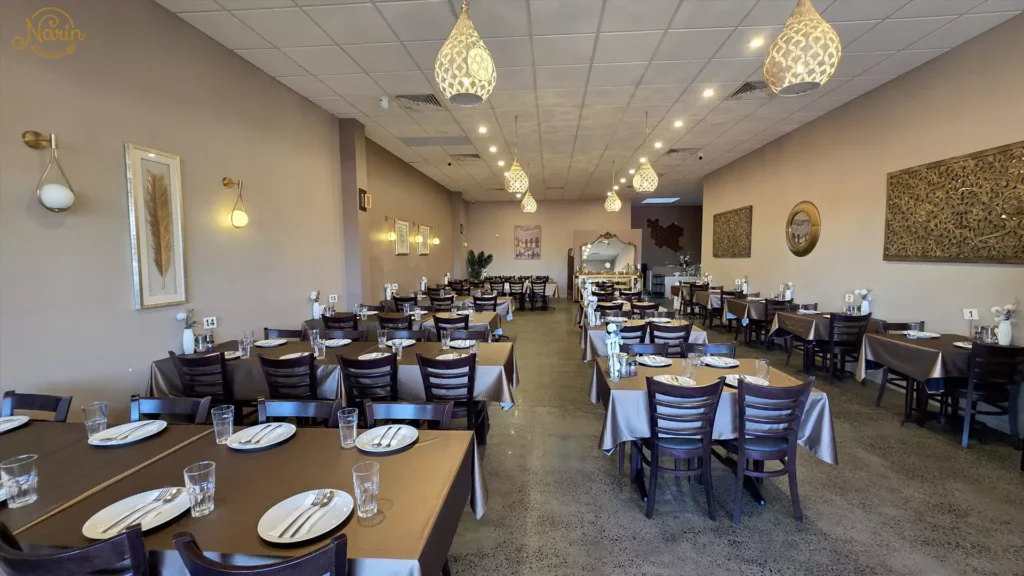
A family-run kitchen may use recipes learnt at home, with small differences in seasoning or serving style. Ask about a dish you haven’t tried. The staff should be able to describe what’s in it and help you decide whether to share it. Traditional décor is pleasant, but the cooking deserves more attention than the furnishings.
Rice and seasoning
Well-cooked rice should have separate grains. In saffron rice, the aroma matters as much as the colour. Stews should taste of their main ingredients, whether that’s herbs and lime or walnuts and pomegranate. Ask which stews are available on the day if you have a particular one in mind.
Choices beyond the grill
Look through the stews, rice dishes and sides as well as the kebabs. Shirazi salad, made with finely diced cucumber, tomato and onion, goes well with grilled meat. Pickles add sharpness, and a yoghurt dip is useful beside a richer main. Vegetarian diners should ask about stocks, garnishes and dairy rather than judging a dish by its name.
Desserts and drinks
Saffron ice cream and faloodeh, a frozen dessert made with thin starch noodles and rosewater, are familiar Persian sweets. Availability depends on the restaurant. For dessert, we serve traditional Persian ice cream and sholeh zard, a saffron rice pudding. Doogh is worth trying if you like a tangy, lightly salty drink with your meal.
On a first visit, order a kebab dish and a stew to share, with a yoghurt dip or salad. Check how many people each plate serves. A platter plus several full-sized mains can be more food than a small group needs.
Sharing makes it easier to try unfamiliar dishes. Ask which plates come with rice before ordering extra portions, and tell the staff about allergies before choosing dips or desserts.
Persian Dishes at a Glance
These four dishes appear on many Persian menus, including Narin’s. Here’s what you’ll be ordering:
| Dish | Main ingredients | What it tastes like |
| Ghormeh sabzi | Lamb or beef, herbs, beans and dried lime | Savoury herbs with a sour edge from the lime |
| Fesenjoon | Chicken, ground walnuts and pomegranate molasses | A thick, nutty sauce with sweetness and tartness that vary by recipe |
| Koobideh kebab | Minced lamb or beef, or both, with onion and seasoning | Soft minced meat with flavour from the grill |
| Zereshk polo with chicken | Rice, barberries, saffron and chicken | Mild rice and chicken with tart barberries |
Rice may come on the same plate as the kebab or separately with a stew. Chelow is the plain steamed style, and polo dishes have other ingredients mixed through or layered into the rice. The menu should tell you what’s included.
Eating at Narin in Northmead
We are a family-run restaurant, and we began building our business in Australia in 2017. Our recipes come straight from the dishes we cook at home in Iran. To keep the flavours authentic, we buy our Persian spices and specialty ingredients directly through Iranian grocers.
Our menu gives you a choice between kebabs, stews, and mixed rice dishes. If you want to compare minced meat with a whole cut, our Soltani pairs koobideh with barg, a kebab made from tenderised lamb backstrap. Our chicken kebab is a straightforward choice if you prefer poultry. If you’d rather have a stew, Ghormeh Sabzi and Fesenjoon are definitely worth a look.
You can dine in with us or collect takeaway. We also arrange catering for gatherings, including Nowruz and Yalda celebrations. For a larger booking, just speak to us about numbers and serving arrangements rather than trying to build the whole order yourself.
Have a look at our current Persian menu before visiting. It will help you choose between a few individual plates and a platter to share, and you can check our opening hours when you book.
Frequently Asked Questions
How far is Narin from Parramatta CBD?
We are located at 14/2B Campbell Street in Northmead, which is just a short drive from the Parramatta CBD. It is a highly convenient spot if you are looking to escape the city traffic for a relaxed, authentic Persian meal.
Is it easy to find parking near the restaurant?
Yes, being located in Northmead just outside the busy Parramatta centre means there is convenient street parking available near the restaurant, making your visit hassle-free.
Do you offer takeaway for locals in Parramatta and surrounding suburbs?
Absolutely! You can easily collect takeaway from us. Just check our menu, give us a call to place your order, and pick it up fresh and hot from our kitchen in Northmead.
What is the best dish to try for my first Persian meal?
If you are trying Persian cuisine for the first time, our Koobideh (minced meat) or Chicken Kebab with saffron rice is a great starting point. If you prefer stews, our Ghormeh Sabzi is a massive local favourite.
Do you host large groups and family gatherings?
Yes, we do. We are a family-run business and love hosting large groups for dinners, as well as cultural celebrations like Nowruz and Yalda. If you are planning a group event near Parramatta, just call us in advance to arrange the best table and sharing platters.